Why Email Warming Still Matters in 2025
By Hassan Kamran • 2025-11-19 • 5 min read
Email warming is the process of gradually building trust and reputation for a new or inactive email account. It ensures that the emails you send are delivered to recipients' inboxes rather than being filtered into spam or promotions folders. In the context of outbound campaigns and cold email outreach, proper email warming is critical to maintaining high deliverability, protecting your sending domain, and maximizing engagement rates. Without warming, even well-crafted emails can go unnoticed or damage your domain reputation over time.
What Is Email Warming?
When you create a new email address, it has no sending history. Email providers like Gmail, Outlook, and Yahoo evaluate your sending patterns to determine if your account is legitimate. Sending a large number of emails immediately can trigger spam filters because providers see it as suspicious activity. Email warming is the process of sending small, controlled batches of messages, engaging with recipients who are likely to open, read, and reply. Over time, this builds credibility and a positive reputation with email providers.
Why Email Warming Is Crucial
Without proper warming, several problems can occur that reduce the effectiveness of your outreach campaigns:
- Emails go to spam or promotions folders: Your audience may never see your messages, regardless of the value they provide.
- Low engagement rates: Poor delivery leads to lower opens, clicks, and replies, making campaigns less effective.
- Domain reputation damage: Sending too many emails from an untrusted domain can flag your account as spam, affecting future campaigns.
- Blacklisting risk: Repeated spam complaints can prevent all future messages from being delivered.
- Wasted marketing efforts: Even if you have excellent content and targeting, emails that never reach the inbox will fail.
How Email Providers Evaluate Your Account
Email providers use several signals to assess whether your email should be delivered. These include:
- Sending volume: Rapidly sending a large number of emails from a new account triggers red flags.
- Recipient engagement: Providers track opens, clicks, replies, and deletions. High engagement improves reputation.
- Spam reports: Users marking your emails as spam will negatively impact deliverability.
- Authentication checks: SPF, DKIM, and DMARC records must be properly configured to confirm that your domain is legitimate.
Best Practices for Email Warming
Following a structured approach to warming ensures that your emails consistently land in inboxes. The best practices include:
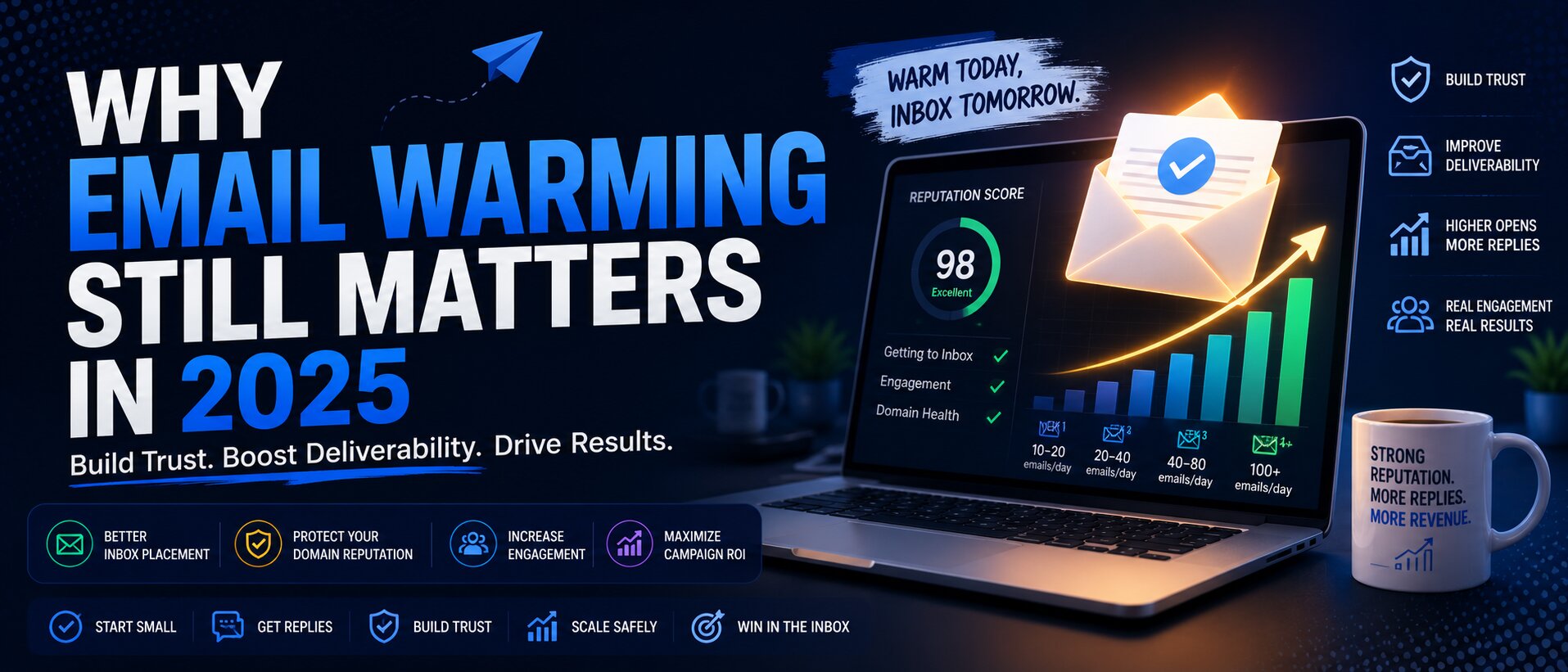
- Start with small batches: Send a few emails per day initially and gradually increase volume over several weeks. For example, begin with 10 to 20 emails daily and double the amount each week.
- Engage real recipients: Use internal team accounts or colleagues who will open, read, and reply. This authentic engagement helps providers recognize your account as legitimate.
- Warm each account individually: If you use multiple email addresses for outreach, warm them separately to maintain good reputation.
- Monitor delivery and engagement metrics: Track bounce rates, open rates, and reply rates. Adjust the warming process if you notice issues.
- Use automated tools for consistency: Tools like Instantly, Warmup Inbox, and Snov.io allow you to automate warming, simulate real interactions, and save time.
- Authenticate your domain: Set up SPF, DKIM, and DMARC records. This prevents spoofing and improves trust with email providers.
- Maintain regular sending habits: Avoid long gaps of inactivity. Periodically sending emails helps maintain your reputation over time.
Technical Considerations
Beyond sending patterns, technical setup plays a key role in deliverability:
- SPF (Sender Policy Framework): Defines which mail servers are allowed to send on behalf of your domain.
- DKIM (Domain Keys Identified Mail): Adds a digital signature to verify your messages come from an authorized source.
- DMARC (Domain-based Message Authentication): Ensures that unauthenticated messages are rejected or flagged.
- Reverse DNS records: Match your sending server with your domain to improve trust.
- Monitoring and alerts: Regularly check email health using services like Postmark, Mailgun, or Google Postmaster Tools.
Common Pitfalls to Avoid
- Sending large volumes too quickly from a fresh account.
- Neglecting SPF, DKIM, or DMARC authentication.
- Using purchased or low-quality email lists that increase bounce rates.
- Failing to track metrics and adjust the warming process accordingly.
- Ignoring feedback from automated warming tools and analytics.
Integrating Warming With Your Outreach Campaign
Email warming should be an integral part of any outbound strategy. Begin warming accounts before launching campaigns and continue periodic warming for inactive addresses. Combine warming with personalization, targeted content, and AI-powered email personalization for maximum effectiveness. For example, while warming, you can also start sending low-volume, highly personalized emails to test subject lines and messaging.
Recommended Tools for Email Warming
Here are some reliable tools to automate and manage email warming:
- Instantly — Automates warming and simulates real inbox interactions.
- Warmup Inbox — Helps improve deliverability through real email interactions and analytics.
- Snov.io — Combines warming with email tracking and outreach automation.
Real-World Example
Imagine you have a new email account for your outreach campaigns. Without warming, sending 500 emails on the first day would likely land most of them in spam. By warming, you start with 10 to 20 emails, gradually increasing to 500 over several weeks. Along the way, you monitor metrics, ensure SPF and DKIM are set up, and use tools like Instantly or Warmup Inbox. The result is a trusted email account that consistently reaches your prospects.
Conclusion
Email warming is not optional for businesses relying on cold email and outreach campaigns. Proper warming protects your domain reputation, improves deliverability, and ensures that your messages reach the intended recipients. By following best practices, monitoring performance, and using automated tools, you can create a scalable email system that maximizes engagement, replies, and conversions. Consistency and patience are key. A warmed email account is a powerful asset for any outreach strategy.
For more information on building effective outreach campaigns, check our How It Works page and explore the Features of our platform.
Enjoyed this article? Explore more posts or book a demo.